
Area Code Baseball Newsletter: March 2026
In this edition, we spotlight the Area Code ID Series, the upcoming fall and winter events, what players can expect, and Area Code alumni who made an impact at the 2026 World Baseball Classic.

Road to the Codes: 2026 ID Series
What is the ID Series?
The Area Code ID Series gives high school athletes the opportunity to perform in front of Area Code staff and MLB scouts while receiving verified data and real evaluation in a professional showcase setting.
Players go through a pro-style workout that includes athletic testing, defensive evaluations, batting practice, and bullpen sessions, with metrics captured through trusted technology like Trackman & VALD Performance.
More than just a showcase, the ID Series helps players get onto Area Code Baseball’s radar, understand what it takes to compete at a higher level, and earn future consideration for Area Code tryouts and events. Hundreds of players have earned Area Code Games Tryout invitations through the ID Series.
Watch the video below to see what the ID Series is all about and register today for an event near you.
Eligible players: 2027-2030 high school graduates
When: Fall 2026 and Winter 2027
Where: The ID Series has grown to 24 events nationwide

Area Code Alumni: Where Are They Now?
Over the years, hundreds of talented players from across the country have come through the ID Series. Take a look at some of the top Area Code alumni who began their journey through the ID Series.
Steven Milam, LSU | 2021 ID Series
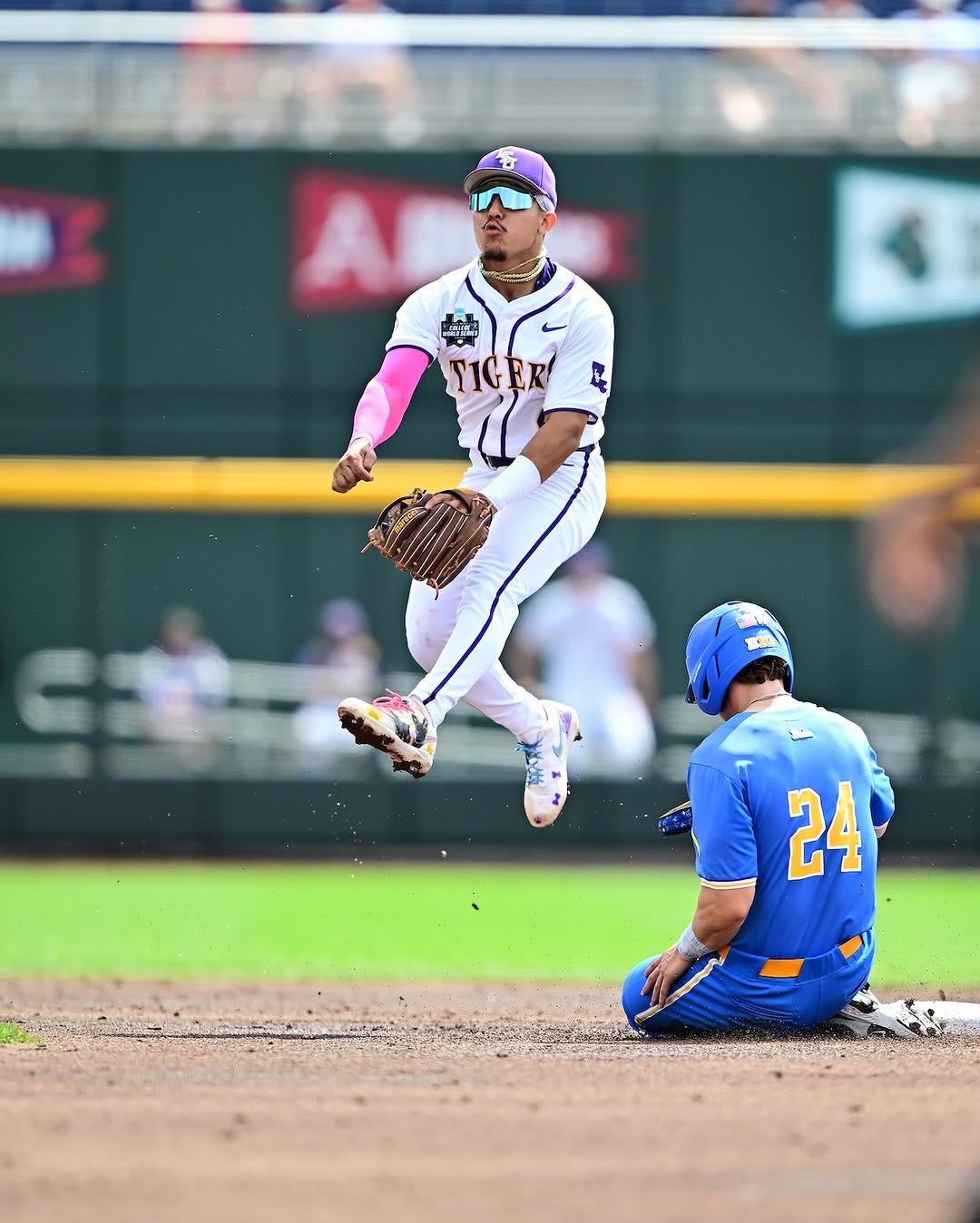
Steven Milam was one of the first players identified in Area Code ID Series history, attending the Phoenix ID Series in 2021 and immediately standing out as a player who knew how to impact the game. Though undersized, Milam has never been defined by his frame, instead standing out through his instincts, feel, and confident style of play.
From that first ID Series event, he earned a tryout for the Reds and later became a two-time Area Code Games participant, representing the Reds in 2021 and 2022. The Las Cruces native quickly built a reputation as a high-IQ middle infielder with advanced bat-to-ball skills, a mature approach, and confident actions on the dirt. At the Area Code Underclass Games, he went 4-for-10 with a double and a walk without striking out, while recording just one swing and miss.
That same profile has translated to LSU. Across 152 career games, Milam has hit .304 with a .410 OBP, 20 home runs, 31 doubles, six triples, and 110 RBIs, while drawing 87 walks against just 71 strikeouts. His path from an early ID Series standout to an impact player in the SEC is exactly what the pipeline is built for.
Kaleb Wing, Chicago Cubs 4th round pick | 2024 ID Series
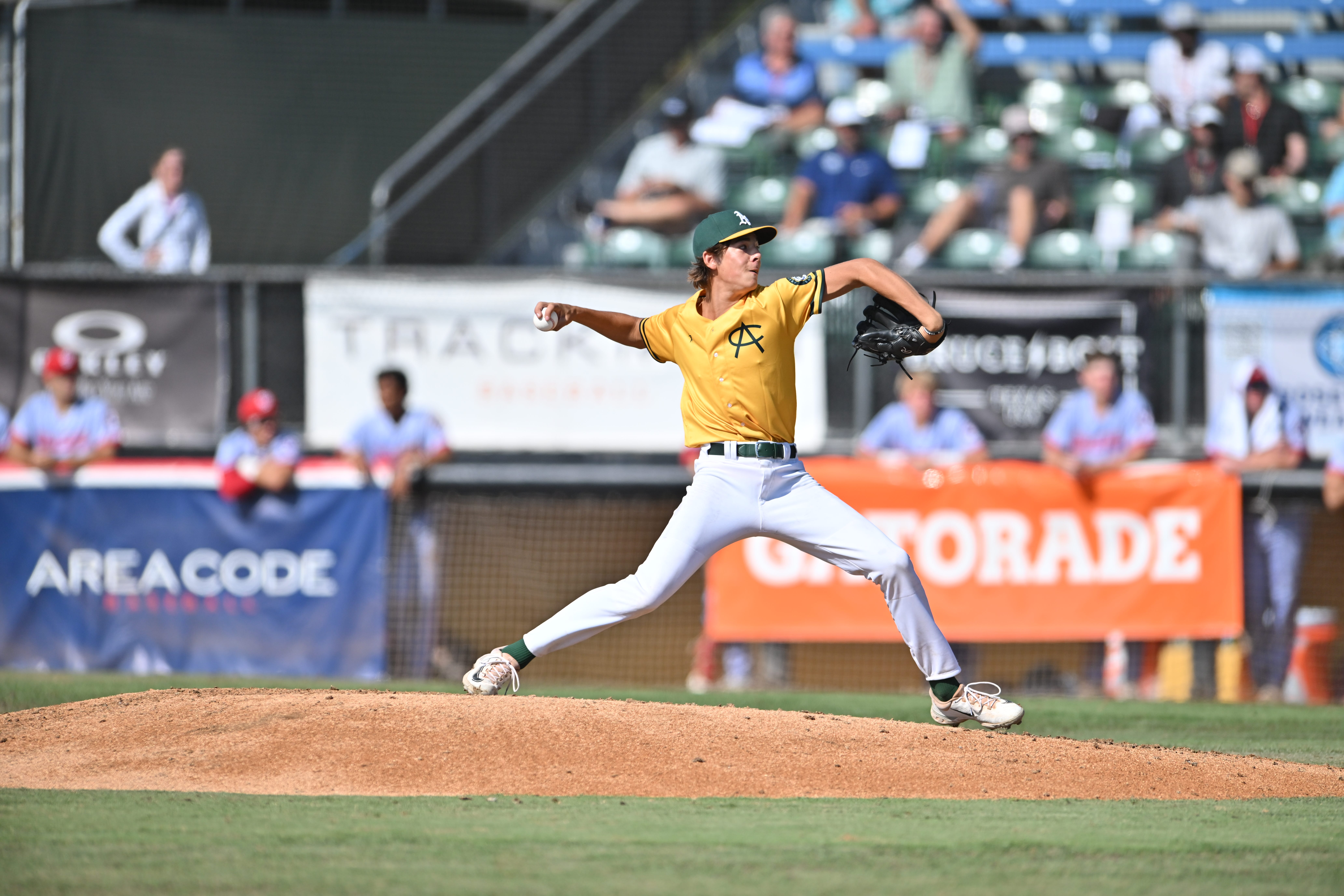
Kaleb Wing first came onto the Area Code radar at the 2024 San Jose ID Series, where NorCal scouts got an early look at him as a middle infielder. He showed athleticism, swung the bat well, and stood out most with his arm strength, throwing 91 mph across the infield, which helped earn him a tryout invite. As Athletics NorCal area scout and Area Code team lead Troy Stewart noted, the ID Series gave scouts an early look at under-the-radar players like Wing, who not only earned an Area Code tryout invite but went on to make the team.
From there, Wing’s stock rose quickly. He pitched that summer at the Area Code Games sitting 88-90 mph, then made a major jump during the spring of his senior year at Scotts Valley High School, running his fastball up to 92-95 mph and touching 96. Originally committed to Loyola Marymount as a two-way player, Wing paired that velocity jump with a power curveball, a developing changeup, and the athleticism teams covet on the mound, leading to the Cubs selecting him 121st overall in the fourth round of the 2025 MLB Draft. His rise from San Jose ID Series participant to Area Code Games arm to early-round draft pick is exactly the kind of path the ID Series is built to uncover.
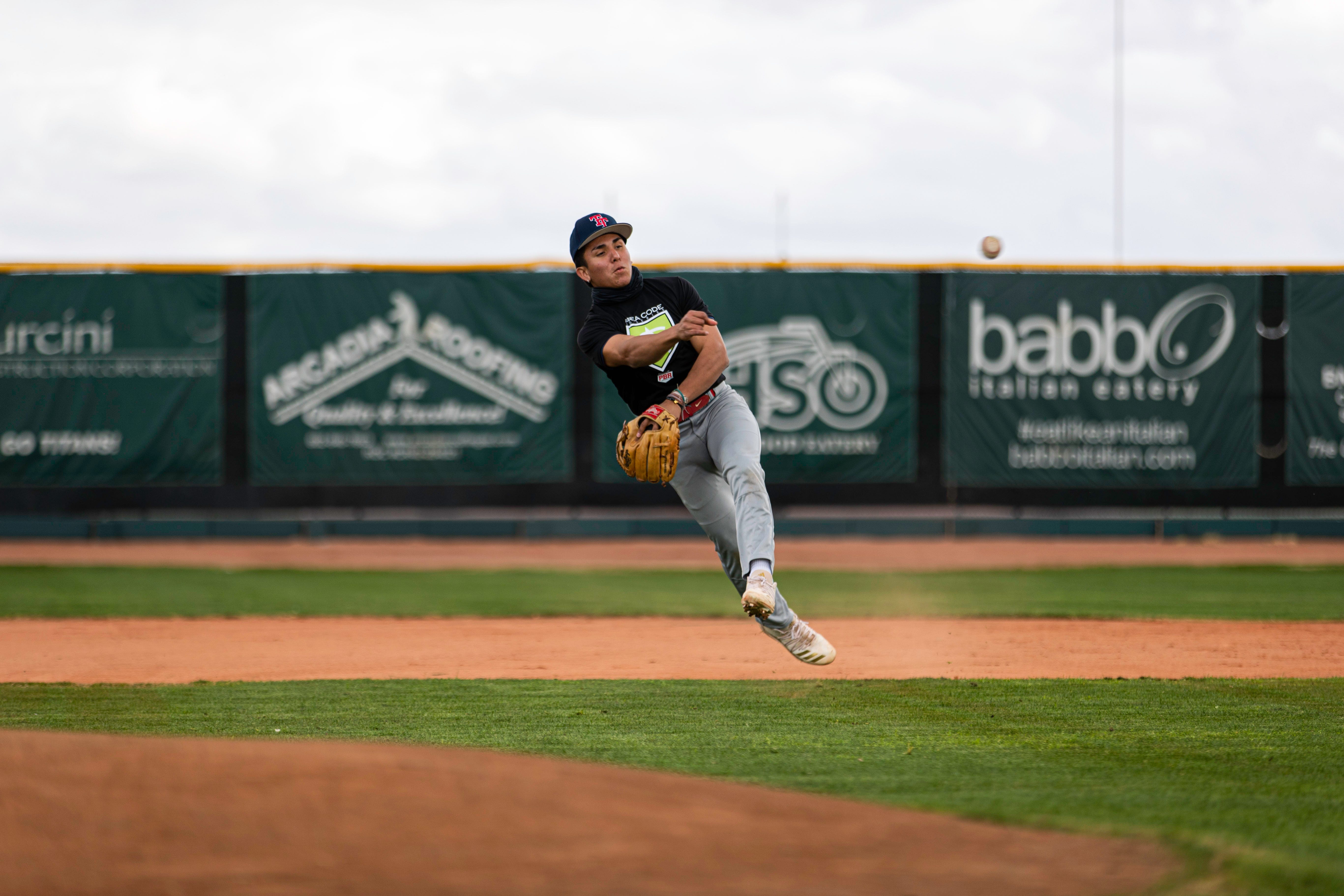
Dylan Seward, Tennessee Commit | 2023 ID Series
Dylan Seward first emerged on the Area Code radar at the 2023 Orange County ID Series, attending as a freshman and immediately showing real upside. At 5-foot-10, 155 pounds, he already stood out with smooth, controlled actions in the infield and in the box. He drove the ball well from both sides in batting practice, especially from the left side, and posted a 6.74 60-yard dash, making it clear early on that he had a chance to be special.
Since that first look, Seward has developed into one of the most exciting players in the 2027 class. He has added roughly 20 pounds to his frame and cut his 60 time down to a 6.2, showing just how much his tools have taken off. He projects as a plus defender at shortstop with soft hands, smooth footwork, and the instincts to make plays under control. Offensively, he remains an advanced switch-hitter with bat speed, barrel feel, and growing power from both sides, while now throwing in the low 90s across the diamond as a junior. Seward has grown from an intriguing freshman into a dynamic, tooled-up shortstop with real first-round potential.
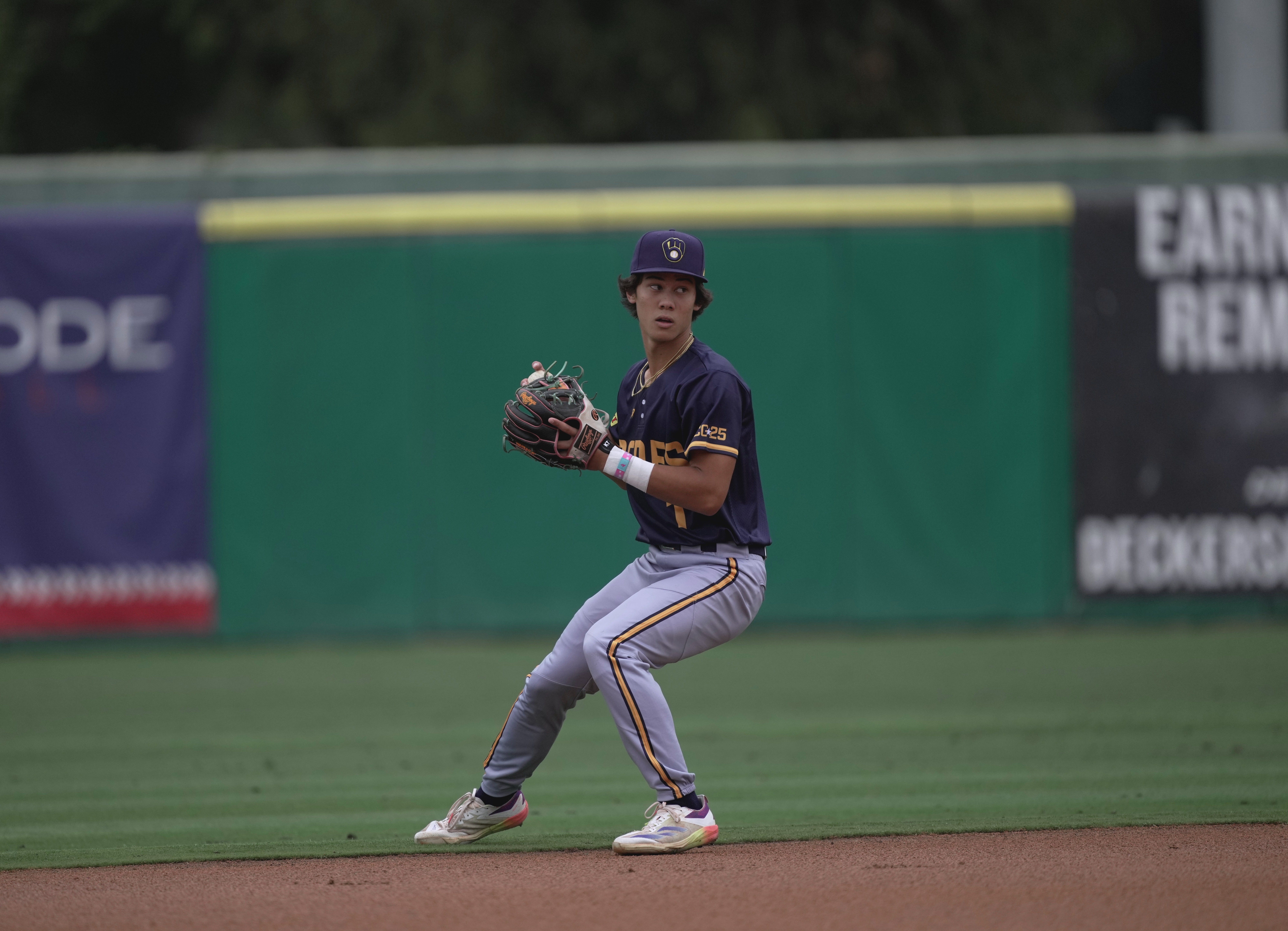
Brady Ebel, 2025 Milwaukee Brewers 1st round pick | 2023 ID Series
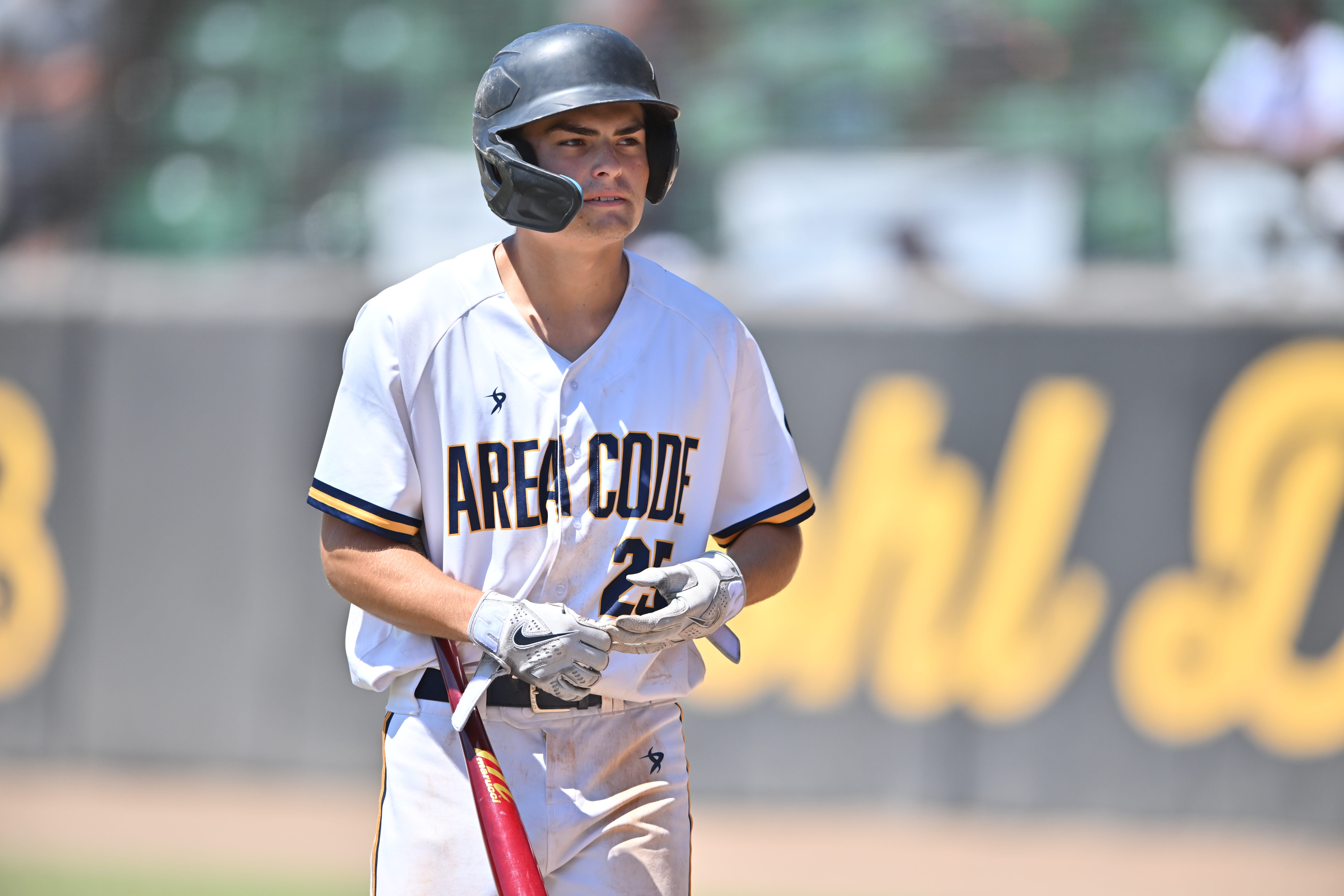
Brady Ebel has been a familiar name in the Area Code Baseball ecosystem for years. He attended the 2023 Orange County ID Series, where he showed the advanced feel for the game that has continued to define his development. Baseball has long been part of Ebel’s background, with his father, Dino Ebel, spending years as the Dodgers’ third base coach, while his younger brother Trey is committed to Texas A&M. Before signing with the Brewers for $2.75 million after being selected No. 32 overall in the 2025 MLB Draft, Ebel was committed to LSU.
Ebel entered pro ball with a strong foundation and advanced polish for his age. Evaluators have pointed to his baseball IQ, smooth left-handed swing, advanced approach, and barrel control as reasons to believe in the bat. Defensively, he played third base in high school alongside Billy Carlson, but the Brewers opened his pro career at shortstop, where his instincts, internal clock, and plus arm have continued to stand out. His offensive feel and defensive versatility give him a strong foundation as he continues to develop.
Current ID Series College Commitments
*indicates Area Code Games Alumni
Aiden Henzler, Southern Idaho
Aiden Sun, UC San Diego
Alexander Seaver, Iowa Central CC
Andres Marquez, Midland CC
Andrew Hamburger, WashU
*Ayden Roman, Manhattan
*Barrett Bucholz, Virginia
*Bear Calvo, Arkansas
Blake Gonzalez, BYU
Brady Guth, Oklahoma State
Brady Snow, Florida
Brandon Lorenzo, Florida
*Bryce Farris, Air Force
Caden Nelson, Texas A&M
Cam Jackson, Oklahoma
Carsten Lemon, Linn-Benton CC
Charles Messina, Northwestern
Chase Thompson, USC
*Cooper Webb, Texas
Damian Cordero, Cal Baptist
David Jackson, Georgia State
Diego Delventhal, Pomona-Pitzer
Drew Ward, Arizona
Dylan Messina, UPenn
*Dylan Seward, Tennessee
Dylan Singleton, Notre Dame
Elius Kelly, Cal State Fullerton
*Ethan Armbruster, Mississippi State
Evan Paul, Miami
Ezra Goldfarb, Cal Berkeley
Fabian Antonsanti, Stetson
Ford Stoen, Purdue
Gavin Giese, University of San Diego
Gavin Hottle, USC
Jack Nicholls, Tennessee
Jack Woda, East Carolina
James Dono, Wake Forest
John Upton, Jacksonville State
Johnson Dubose, Indiana
*Jordan Kurz, South Carolina
Jose Borrego, Cal State Fullerton
Josh Horvath, Weatherford
*Kai Van Scoyoc, USC
Kaleb Hetzel, Stony Brook
Kameron Street, NJIT
Kristopher De Santiago, Michigan
Lale Esquivel, Blinn
*Lawson McLeod, LSU
Logan Brooks, University of San Diego
*Logan Mull, Princeton
*Logan Schmidt, LSU
*Lucas Nawrocki, LSU
Luke Overbay, Michigan
Marcus Cantu, Coastal Carolina
Mason Hamilton, Tyler
Mason Runow, Lewis and Clark
Matthew Altman, Florida A&M
Nicholas Smith, UT Arlington
Owen Bone, Cal Baptist
*Parker Loew, LSU
Preston Cole, East Carolina
Ray Kim, Rhode Island
Roy Kim, Stanford
Ryan Burgess, Cal Baptist
Ryan Riojas, William & Mary
*Ryan Walls, Ole Miss
*Spencer Browning, Arkansas
Seamus Moylan, Missouri
Stevie Wellens, Navy
Teddy Stephenson, Holy Cross
*Thomas Padilla, UC Irvine
*Trey Ebel, Texas A&M
Tyler Kenast, Texas Tech
Tyler Williams, Cal Berkeley
Zach Drew, Central Arkansas
Tripp Hannah, Oklahoma State
Weston Peterson, Virginia
‘Codes in the World Baseball Classic
The 2026 World Baseball Classic delivered another thrilling March, with 20 nations competing across four cities and a championship game at loanDepot Park in Miami that went down to the final out. The tournament has become one of the most exciting events in the sport, and this year was no exception. It was something special seeing so many Area Code alumni competing on the biggest international stage the sport has to offer.
Brice Turang was Team USA’s most consistent bat from wire to wire. The Brewers second baseman hit .364 with four doubles, going 8-for-22 while bigger names around him scuffled. He was named to the MLB All-Tournament Team at second base, and it was not a surprise to anyone who has watched him operate.
Bobby Witt Jr. looked every bit like the best all-around shortstop in the world. He reached base ten times across six games and put on a nightly clinic with his glove, but scored just twice as USA’s offense repeatedly stranded him. The trophy went to Venezuela, but Witt’s performance made the case that no one plays the game more completely.
Pete Crow-Armstrong started three games for Team USA and delivered when it counted, driving in a pair of runs against Canada in the quarterfinal with two RBI singles. His reads in center were exceptional throughout, and there was a confidence to how he played that the stage never rattled.
Gunnar Henderson delivered the biggest swing of the semifinals, crushing a solo home run against the Dominican Republic that was no-doubt from the moment it left the bat. He was shuffled around the infield all tournament as DeRosa managed a logjam of elite infielders, but the bat played wherever he lined up.
Dante Nori was the best story of the entire tournament. The 21-year-old Phillies prospect, expected to pinch run and play late defense behind established big leaguers, started every game for Italy and finished hitting .400 with 2 home runs, 6 RBI, and a 1.185 OPS across Italy’s historic semifinal run. He was named to the MLB All-Tournament Team as an outfielder, one of the few players without significant big-league time to earn that recognition. The Phillies have a legitimate prospect in Nori.
Austin Wells had himself a tournament. The Yankees catcher posted 2 home runs and a 1.086 OPS across five games in a lineup that was never short on firepower, with his three-run shot in the quarterfinals against Korea putting a 10-0 run-rule win on ice. He was named to the MLB All-Tournament Team at catcher, and it was deserved.
Area Code Alumni at the 2026 World Baseball Classic
Brazil
Lucas Ramirez — 2022 & 2023 Nationals
Canada
Logan Allen — 2014 Nationals
Denzel Clarke — 2017 Yankees
Adam Macko — 2018 Royals
Bo Naylor — Yankees
Josh Naylor — 2014 Yankees
Michael Soroka — 2014 Royals
Jameson Taillon — 2008 Rangers
Dominican Republic
Austin Wells — 2015 Brewers
Great Britain
Tristan Beck — 2014 & 2015 Brewers
Harry Ford — 2020 Royals
Ivan Johnson — 2015 ACBTC
Miles Langhorn — 2020 Yankees
Israel
Cole Carrigg — 2018 & 2019 Athletics
Ryan Prager — 2020 Rangers
Robert Stock — 2005 & 2006 Brewers Blue/Grey
Italy
Dante Nori — 2022 & 2023 White Sox
Kyle Teel — 2018 & 2019 Yankees
Mexico
Taj Bradley — 2015 ACBTC
Alek Thomas — 2016, 2017 White Sox
Netherlands
Druw Jones — 2020 Nationals
Nicaragua
Mark Vientos — 2015 & 2016 Yankees & Nationals
Panama
Logan Allen — 2015 Nationals
Puerto Rico
Nolan Arenado — 2008 Brewers
MJ Melendez — 2015 & 2016 Yankees & Nationals
USA
Matthew Boyd — 2008 Nationals
Alex Bregman — 2011 Reds
Corbin Carroll — 2018 Royals
Pete Crow-Armstrong — 2017, 2018, 2019 Brewers
Bryce Harper — 2008 Reds
Gunnar Henderson — 2018 Nationals
Clayton Kershaw — 2005 Rangers
Brice Turang — 2015, 2016, 2017 Brewers
Bobby Witt Jr. — 2016, 2017, 2018 Rangers
Partner Spotlight: Trackman Baseball
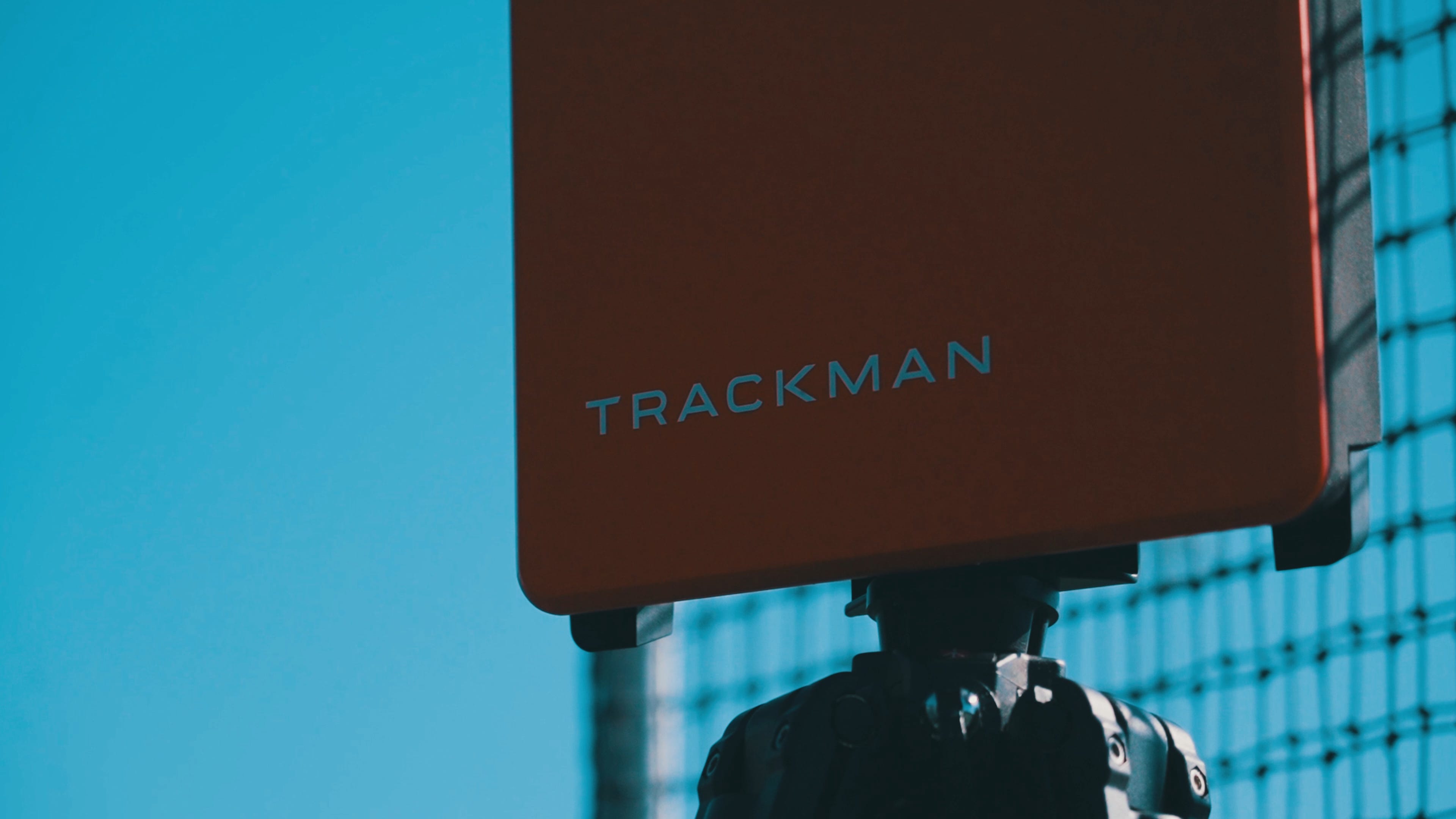
Trackman Baseball has been an instrumental partner of Area Code Baseball, helping bring trusted, objective data to events across the country. Trackman data is captured at every Area Code event, from the ID Series to the Area Code Tryouts, Area Code Games, and AC Select, giving players verified insights into their performance at every step of the process. From metrics like exit velocity, launch angle, spin rate, and pitch data, Trackman helps support the evaluations of Area Code staff, college coaches, and MLB scouts while giving athletes measurable feedback they can trust.
More than just numbers, Trackman helps establish a valuable baseline for players that they can build from after each event. At the ID Series especially, athletes receive data that can be used to better understand their game, track development, and continue improving with purpose. Trusted by college coaches, MLB organizations, and players looking to take their game to the next level, Trackman plays a key role in making the Area Code experience more complete, verifiable, and impactful.
Thank you
As the next Area Code cycle approaches, the focus now turns to the summer with Area Code Tryouts up first, followed by the Area Code Games, before the ID Series returns in the fall and winter. Each stage gives players an opportunity to get evaluated, compete, and continue building their path through Area Code Baseball, just like many of the alumni featured in this edition once did.
Thank you for reading and for supporting Area Code Baseball. Be sure to subscribe for more updates, event coverage, and stories from across the Area Code pipeline.